
My experience with the Lingo glucose biosensor
As you may recall, last summer I was diagnosed with prediabetes. Because I have generally healthy eating and physical activity habits, I visited with a dietician to see whether there were some specific changes I could make to improve my blood sugar levels. If you are interested, I published her tips here.
Since my levels were not dangerously high, and because it takes time for small lifestyle changes to make a difference, my doctor wanted to wait a full year before retesting my A1c.
I’ve been curious, though…and I’m not particularly patient…so when Joanne at Slices of LIfe blogged about her experience with the Lingo glucose biosensor, I was intrigued and decided to give it a go.
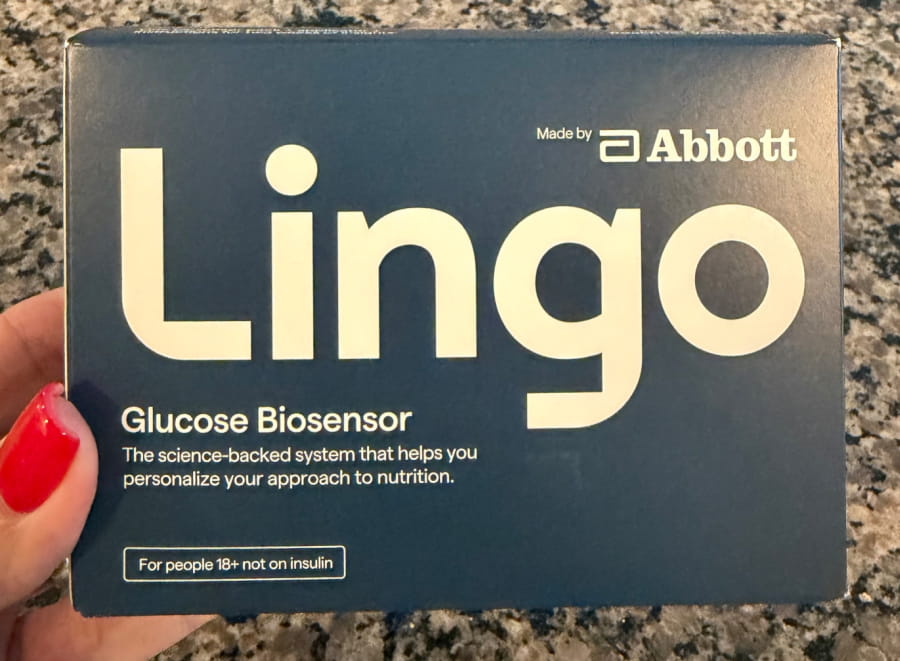
What is the Lingo glucose biosensor?
The Lingo biosensor is an over-the-counter (no prescription needed) two-week continuous glucose monitor (CGM) that attaches painlessly…seriously no pain…to the back of your arm.
The biosensor monitors your glucose via a tiny filament that sits just below the skin, and streams real-time updates to the Lingo app.
My experience using the Lingo glucose biosensor
I decided to purchase one two-week sensor for $49 US. Since I did not plan to use the product for more than two weeks, I was able to use the free two-week app trial. Other packages are available, ranging from $89 to $249.
I received my Lingo biosensor within 10 days of ordering it. The instructions were clear and easy to follow, complete with illustrations.
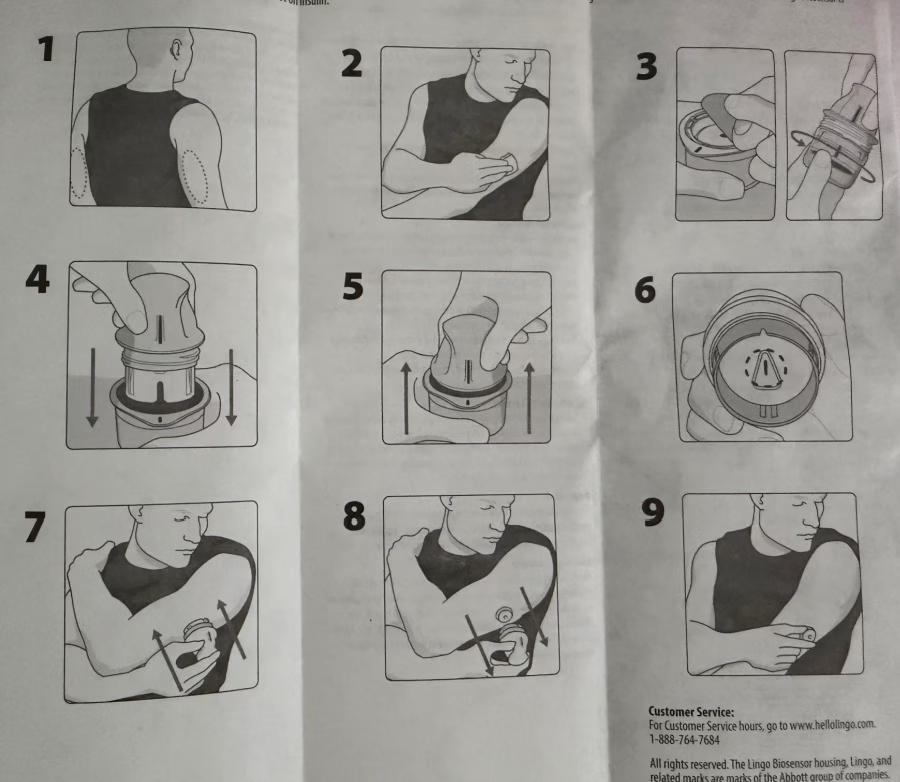
I admit I was nervous about having to “poke” myself, but the application was simple and truly pain-free. I did not find the sensor uncomfortable or obtrusive at all. It is water resistant, so you can sweat, shower, and even swim as you so desire.
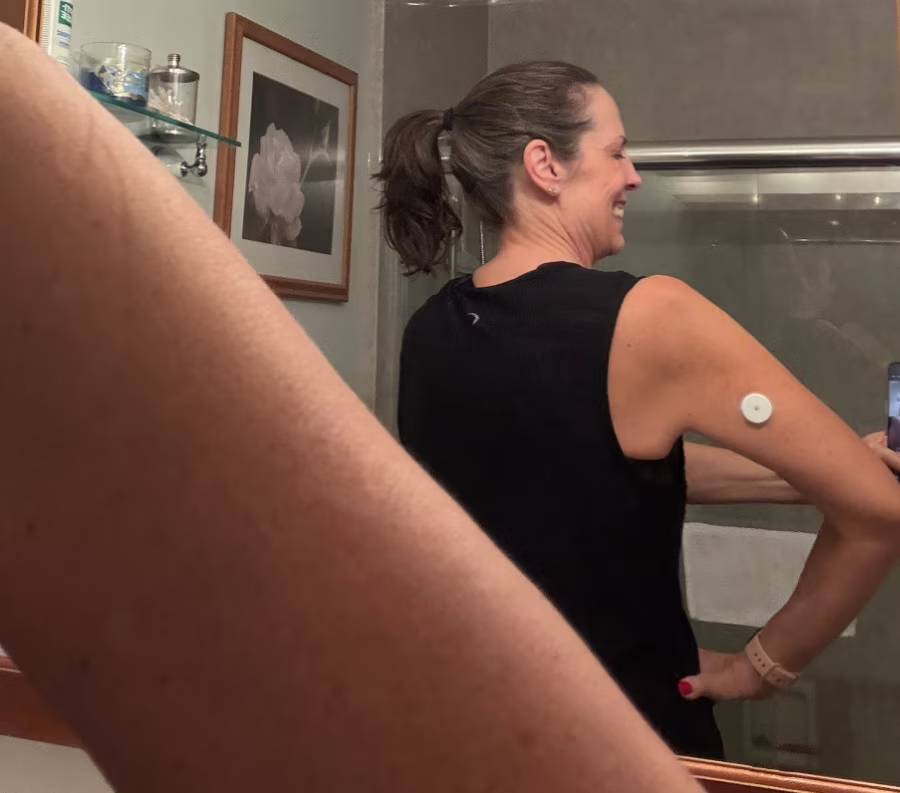
The most difficult part for me was removing the sensor after the 14 days were up. Even that was not terrible once I got my finger under the edge to break the seal, and the residual adhesive was easily washed off with a little scrubbing. But I’m getting ahead of myself…
My sensor easily synced up with the Lingo app, and I was in business…so to speak.
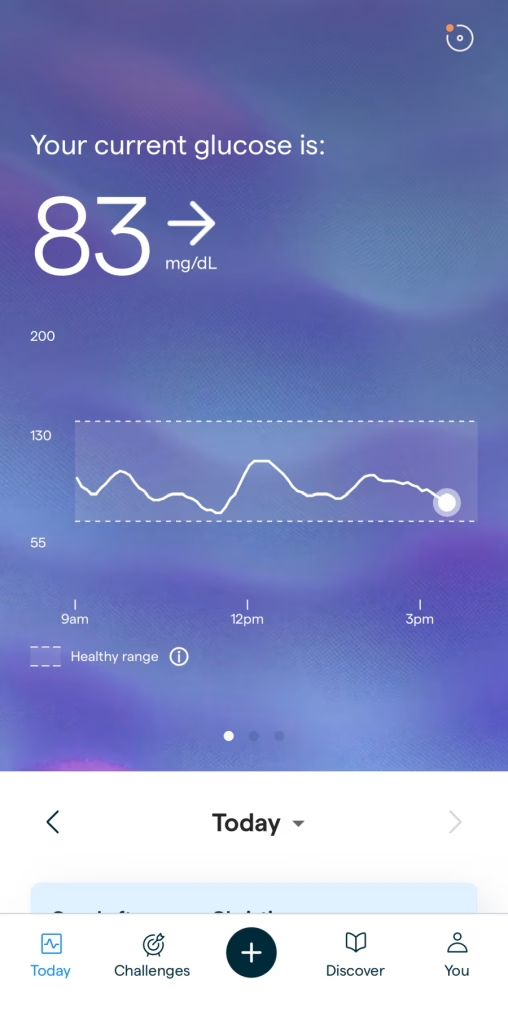
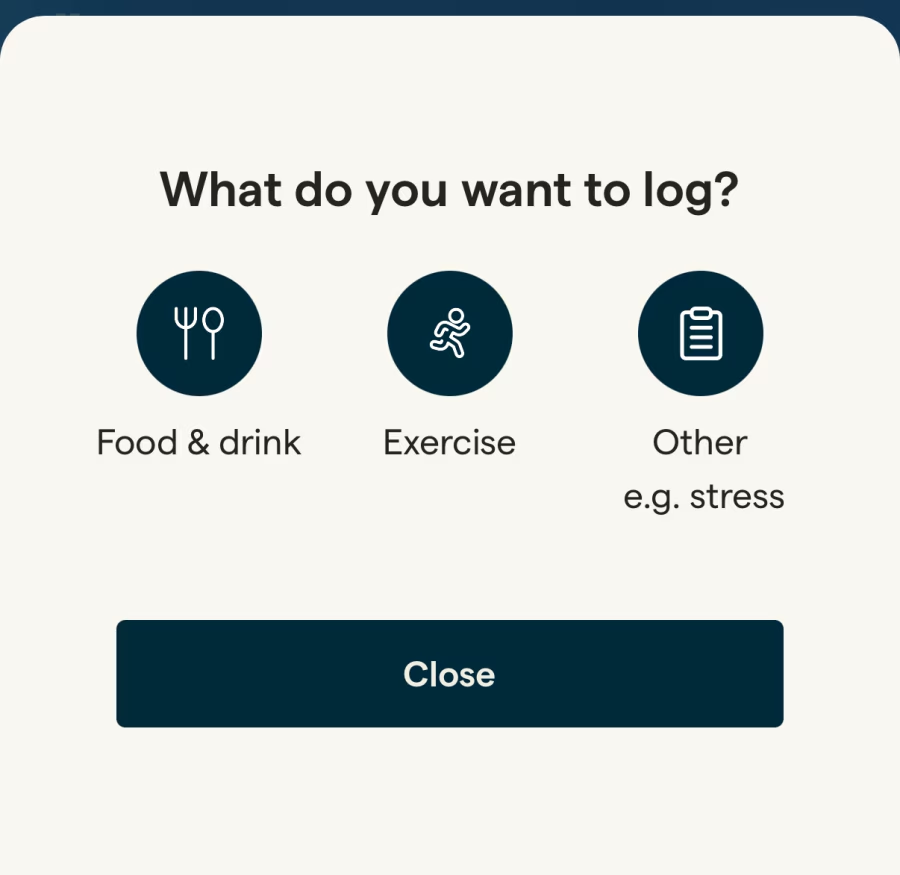
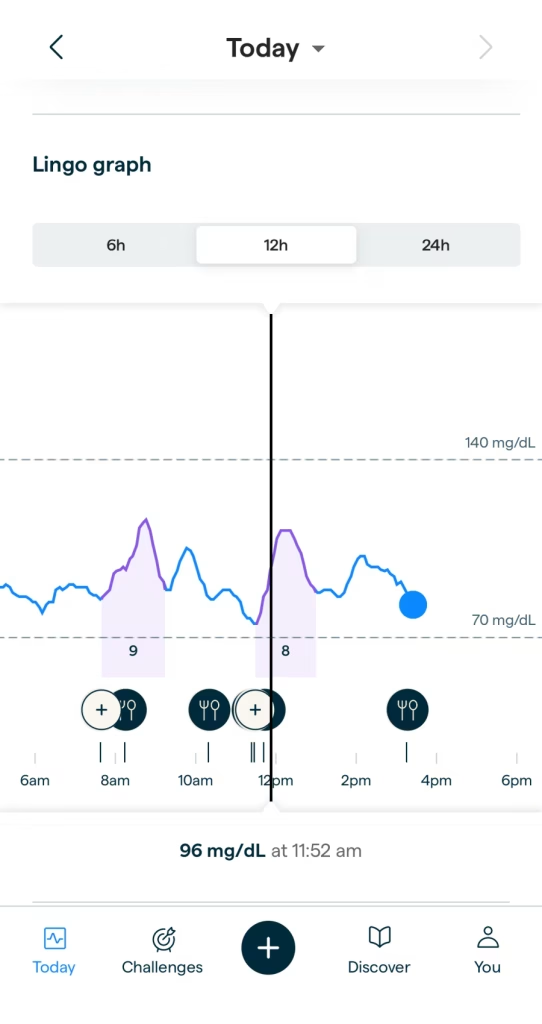
In addition to seeing your glucose levels and whether they fall in the healthy range of 70–140, you can log your food and physical activity to see how specific things affect your blood sugar. You can also sync other health apps, like an Apple watch, so your activity automatically records.
The Lingo app sets a customized Lingo score for you to stay below. When your glucose spikes, it shows up as purple on the graph and indicates how many Lingo points you’ve accumulated. Remember, in this case, points are not a good thing.
In addition, you are provided with a weekly summary that shows what percentage of time you were in the healthy range vs. high or low, as well as behavior challenges aimed at lowering your glucose.
What did I learn from the Lingo glucose biosensor?
I was happy to see that my glucose is in the healthy range the vast majority of time. I will be interested to see if my A1c test in a couple of months supports that finding.
In addition, I learned two main lessons:
When you move counts
While I was not surprised to see that the dietician was right that movement immediately following eating minimizes spikes in blood sugar, I was surprised at how dramatic the effect was. My highest spike happened on a road trip when I ate my lunch in the car and was unable to get up afterwards.
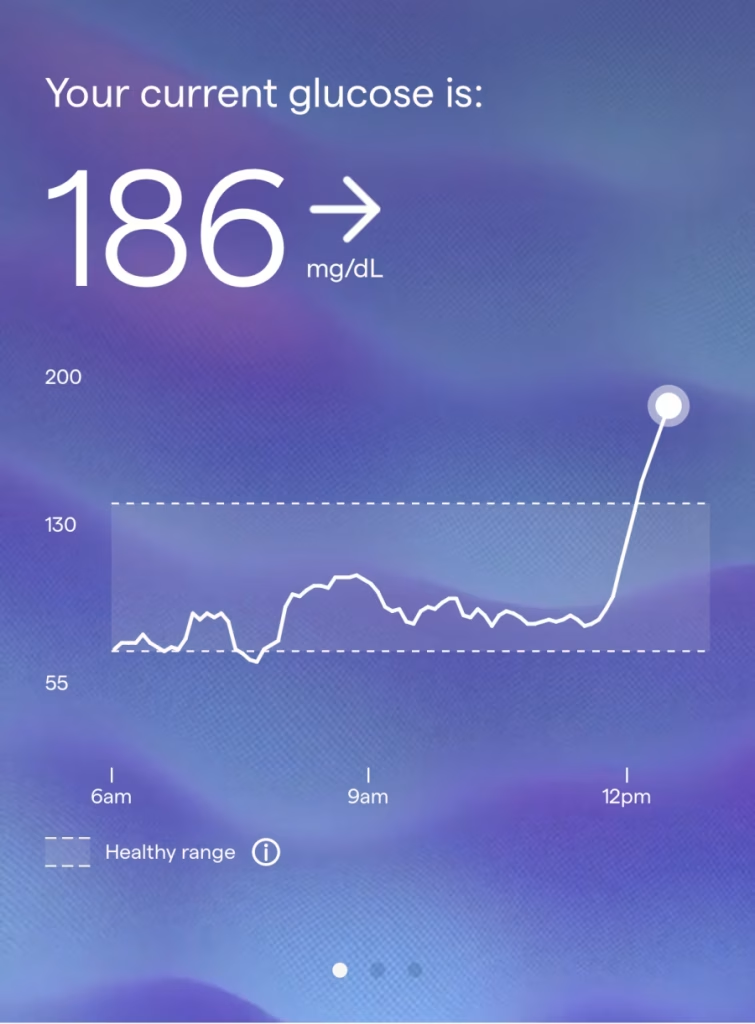
What I discovered later on the trip back home was that even intermittently squeezing my thigh muscles and doing seated calf raises helped keep my glucose under control. So the movement doesn’t have to be intense to be useful.
Sugar isn’t the only culprit…or even the worst
I expected to see larger spikes when I ate sweets, specifically refined sugar…which I pride myself in minimizing. However, I soon discovered that for me, any simple carbohydrate or starchy food was bad news. Pretzels and potatoes had a bigger impact than a small piece of birthday cake.
Is the Lingo glucose biosensor worth the investment?
For me, the Lingo glucose biosensor was worth the minimal investment of money and effort for the satisfaction of curiosity alone. In practical terms, I gained some insights that I can put into action, and I have strengthened my commitment to post-meal movement. In addition, I was able to download my readings into a file that can be shared with my medical provider.
If you have been diagnosed with prediabetes or you have no idea what your glucose level is…or if you are just curious about how specific foods and activities affect your glucose…I would definitely recommend the Lingo glucose biosensor.
If you want to try Lingo and save 50% on the 4-week plan, use this link: Lingo discount
Your turn
- Do you know what your A1c is? Have you ever worn a CGM?
- Have you ever read about something on a blog and been inspired to try it yourself?
- What else is on your mind? Anything at all; I just love to hear from you.






That was really interesting Christie – and a great way to check in on yourself and pick up a few pointers for self-management. I hope your test goes well and reflects all the hard work you’ve been doing to keep your glucose etc in check.
I’m glad you enjoyed it, Leanne. Here’s hoping the research and efforts paid off!
I have only heard of this because of Joanne! My A1C is so much better now that I’ve lost weight. I will have bloodwork done in a couple of months so I’m anxious to see if it’s gone down even farther. I will definitely try to get that movement in after meals. That’s really an easy and interesting takeaway. Thanks for sharing all this information, Christie!
https://marshainthemiddle.com/
Good luck with your follow-up bloodwork, Marsha. Here’s hoping we both see the results we are hoping for!
Yes! I had such a hard time removing my sensor after the 14 days too. I definitely had to get my nail under the adhesive and worked it off while in the shower using water and soap to help it release. I too found that starches and simple carbs had a more dramatic effect than I had thought, sugar I was prepared for but not so much the others.
Thanks again, Joanne, for sharing your experience with the Lingo biosensor. I never would have tried it without your blog post.
Love this 🥰
Thanks Courtney.