
4 dietician’s tips to lower your A1c
You may recall, I was recently diagnosed with prediabetes. My nutrition and physical activity habits are generally healthy, and for the past year I have been particularly mindful, cutting back substantially on highly-processed foods, including sugar. So it was pretty disappointing to see my A1c had actually increased and tipped into the prediabetic range.
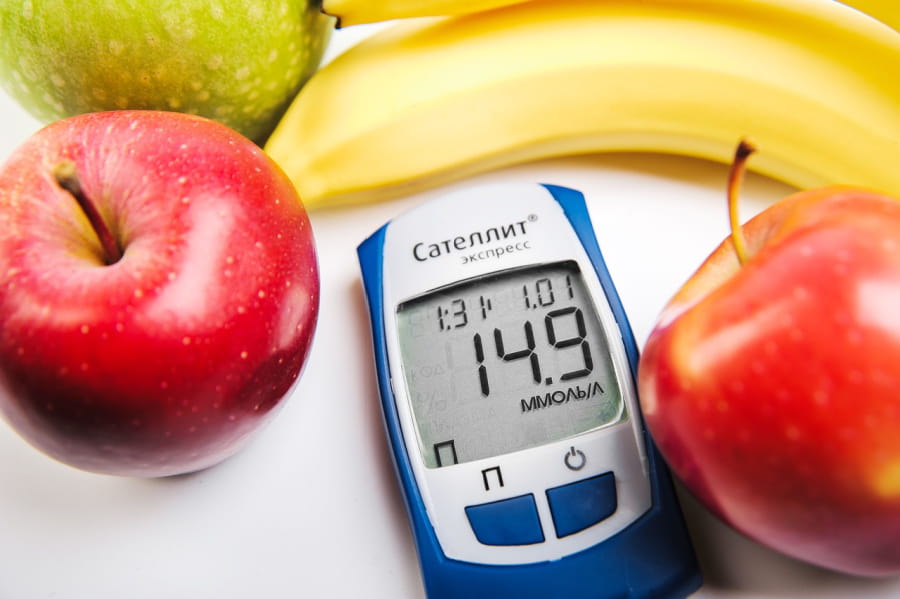
It’s probably important to note here that there is a genetic factor to this equation. Both of my parents had type 2 diabetes, but since neither one of them was particularly health conscious, I always chalked that up to lifestyle decisions. Now I am having to rethink that judgment.
So anyway…the doctor and I agreed that I might benefit from a session with a dietician to determine if there were any small tweaks I could make to my current habits to help bring my blood sugar down naturally. I am not at a level where medication is warranted.
I met with the dietician and was pleasantly surprised to learn that there are four simple changes I could make that may help bring my A1c down. I’m committed to adopting these habits for the next year, and we’ll see if the results are in my favor. Fingers crossed.
First, one little side note: last year’s efforts were not entirely in vain. In addition to my blood sugar, my cholesterol was slightly elevated a year ago. That number dropped dramatically…50 points…to where I am now on the low end of the spectrum.
4 tips for lowering your blood sugar
- When it comes to the healthy eating plate for people with diabetes (or prediabetes), beans, legumes, and lentils count as a carbohydrate, rather than protein. It’s true beans are high in protein; however, they are also high in carbohydrates. So when laying out your plate, count them as your starch for that meal. That is, beans replace rice and potatoes, rather than meat or tofu.
- A beer with dinner is okay, but make it a light beer. If light beer is a no-go for you, count your beer as your carbohydrate. In other words, if you want a beer, enjoy the steak and veggies at the barbecue, but pass on the potato or pasta salad. If you really want the hamburger and french fries, skip the beer altogether or select a light beer.
- All produce is not created equal. While fruits contain many important nutrients and can satisfy your sweet tooth, if high blood sugar is an issue, go easy on the fruit and bulk up on the non-starchy vegetables.
- When you move matters. Within an hour of every meal, move for at least 10 minutes. This can be a walk, yard work, housecleaning, or dancing to your favorite tunes. It doesn’t have to be high-intensity, sweat-producing exercise…just use your muscles in some way. Shortly after the dietician gave me this advice, I found an article that supported her stance and explained why it works. Biochemist Jessie Inchauspe, author of Glucose Revolution: The Life-Changing Power of Balancing Your Blood Sugar, explains it this way: “What happens is that every time a muscle contracts, it needs energy to do so, and the easiest place that your muscles are going to find this necessary energy is in the glucose in your bloodstream.”
Where do you go for support?
So there you have it, my dietician’s four tips for managing blood sugar. Of course, these tips are based on what I shared with her about my current routine and eating habits. Your doctor or dietician may have different advice customized to your specific needs. I share these tips for educational purposes only. If you need medical advice, please see a healthcare professional.
If, on the other hand, you need guidance or support with motivation, accountability, or goal-setting tips, please see a health coach…like me. I currently have two openings for up to three months of free online health coaching, as I complete the hours necessary for national board certification.
Your turn
- Have you ever worked with a dietician or a health coach? If so, was it helpful?
- Do you know someone that might be interested in free health coaching?
- What else is on your mind? Anything at all; I just love to hear from you.






I had read that about moving shortly after (or while!) eating too. Even if the weather is awful outside I’ll pace around the house while reading a book within 30 minutes of eating for a good 10-15 minutes. If I’m too lazy to walk I’ll watch TV while lifting some hand weights to at least get some muscle movement and burning going.
That’s great, Joanne. It’s quite warm here in the evenings right now, so I’ve been riding my stationary bike while I read for 10 minutes following dinner clean-up. I’ve actually come to look forward to it. It will be nice when my husband, our dog, and I can start taking evening walks again.
Good for you for taking action! That’s great. My friend who’s a dr in a hospital, he said COVID appears to be giving everyone diabetes (or at least the people he’s seeing at the hospital with it). So that’s alarming!!
It’s hard changing diet but we do tend to do our bodies good (mine is cholesterol and I had liver issues -which I think were from COVID – but I resolved those after a year of altered behaviour)
I hadn’t thought about COVID possibly causing diabetes, Lydia. That’s interesting. COVID has so many long-term effects, so it’s certainly possible. That’s great that you were able to resolve your health issues with behavior changes. In my mind, that’s the best way to go whenever possible.
#WWWhimsy
Hi Christie – that was all news to me – and a good reminder about the carbs/sugar thing when it comes to meals – it doesn’t have to be sweet to cause a problem! And the movement after a meal was interesting too – something I’ll have to keep in mind instead of sitting in my chair – it make my summer evening strolls more beneficial without realising it!
So true, Leanne. We often think of sugar as creating the A1c problems, but all simple carbs contribute. I was happy to learn about the movement, because I do usually sit down for most of the evening shortly after dinner. Now I’ve added an easy 10-minute movement in between dinner and my evening relaxation. We’ll see if it makes a difference in six months when they test my blood again. There are so many benefits to an evening stroll, mental and physical, so good on you!
Hi Christie, I haven’t worked with a dietician or a health coach but I think it would be helpful to get their advice and tips. Thanks for the four tips you shared. I had heard about #4. #WWWhimsy
The dietician visit was helpful for me, Natalie. I don’t feel the need to continue going, but she definitely showed me where I could make small changes I hadn’t really thought about.
Hi Christie, great tips here for reducing blood sugar levels. I hadn’t heard before about moving within an hour after eating. I’ll keep that in mind moving forward! I haven’t worked with a dietician or health coach but have been thinking alot lately about getting some guidance to shift some post menopausal weight. Also to have my eating habits reviewed and tweaked. I know there is one eating habit I probably need to lose (sigh)! None of my usual tricks are working! Thanks for sharing with #WWWhimsy ! xo
Menopause is a challenge in so many ways, Min. And amen to “None of my usual tricks are working.” Sometimes just a little bit of guidance…or even just talking through your habits and desired outcomes is helpful.
Hi Christie, that’s all very interesting information and thanks for sharing it with us. I have seen a dietician when my cholesterol and blood pressure were getting higher and like you, it seemed that my diet didn’t make much of a difference, as it was more a genetic thing from my parents. I now take note of my diet plus I’m on medication which helps but wasn’t my ideal way of treating it.
I didn’t know about the movement within an hour of eating so will store that tip away!!
Deb #Teamwwhimsy
Hello Debbie. I always like to try behavior change first (except in emergency, of course), but there are times when we need a little help from prescription medicine. Thank goodness it is available to us. I’m so grateful for medical science.
I always knew legumes were a starch as well as corn. My older sister had a “weight” problem so she was always on a diet, and my mom really got after her. I think, because of Mom’s emphasis on what was “good” food and what wasn’t, both of us were heavily (pardon the pun) influenced by food for our entire lives. Luckily, my A1C is good while my older sister has been diabetic for several years now. She has lost lots of weight due to the new medications, but her A1C is still a little higher than the doctor wants. I didn’t know that about moving so I will definitely add that in to my weight loss journey. Every little step (again pardon the pun) helps, right?
Good luck with your four tips and lowering that A1C!
https://marshainthemiddle.com/
Our relationships with food and weight certainly are complicated, aren’t they, Marsha? Good luck to your sister in her struggle with A1c. I’m glad you’ve been able to avoid that so far. And thanks for making me smile with your puns!
Good going on health self care…and then getting the advice from the professionals too Christie.
No doubt about it, despite “all we think we can do to help ourselves” sometimes the genetic factor cannot be denied.
I’ve been on blood pressure meds for around 4 decades and things are good with me there.
I wish you well.
Denyse. x
Thank you Denyse. I agree when it comes to genetics, sometimes you can’t rely on behavior change alone, and thank goodness we have options. I’m glad your blood pressure meds are working well. I understand getting that right can sometimes be tricky. Here’s to good health for both of us!
Hi Christie this is very interesting information. I don’t know about moving 10 mins after eating as all my exercise is before eating. I’ll have to give that some thought. I’ve never been to a nutritionist but have been thinking about. Now that I’m over 70 I think I need a more definite plan rather than hit and miss as I’ve always done. I have started eating more legumes as I struggle to eat enough protein.
It was interesting information for me too, Jen. I feel like I get quite a bit of movement during the day after meals, even if it’s not formal exercise. But I know in the evenings I am much more sedentary, so hopefully adding in a little post-dinner movement will help lower my blood sugar. As you know, legumes are a great source of protein and fiber, so if your blood sugar is good, that’s probably an excellent choice for you.
This is all good advice for me as we share the same genetics and we’re both “gifted” the borderline A1c. If I gave up my nightly wine, that might do the trick. Boo. I will definitely start moving after dinner, as that is usually my most sedentary time of day. Thanks for sharing!
Don’t do anything drastic, Cindy. 😂 I would definitely start with evening movement and enjoy the glass of wine.