
Is cold plunging good for you? Special considerations for women
It seems that cold plunging is all the rage for the moment, but is it really beneficial…and are there special considerations for women?
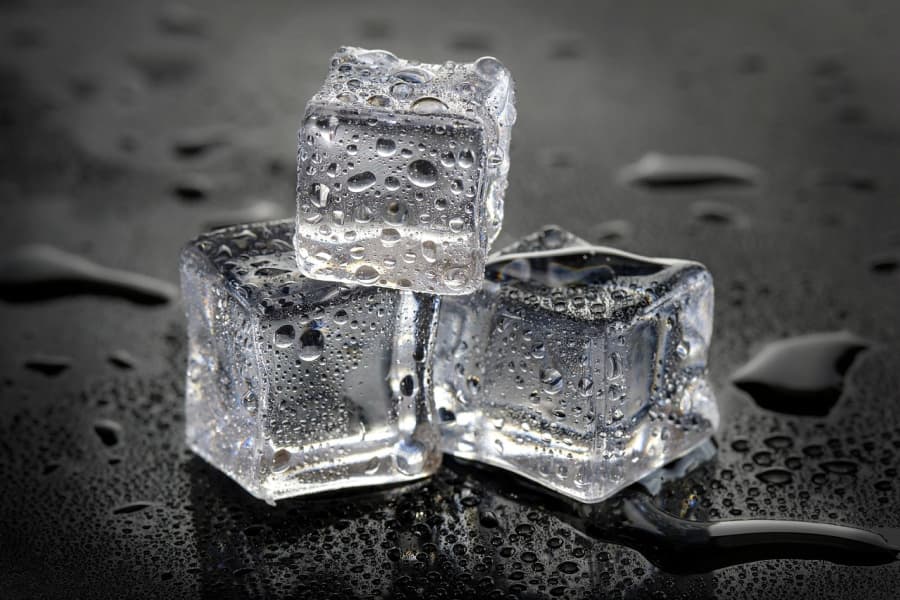
Of course, cold plunging is nothing new. Cold-water immersion, often paired with saunas, is a Nordic tradition meant to build resilience and reset the mind. But what about the physical effects on the body? I decided to dig in and find out.
If you’ve been with me for awhile, you know the drill: while I am a certified health and wellness coach, I am not a healthcare professional. For medical advice on the benefits and risks of cold plunging, please visit with your healthcare provider.
For this post, I am relying on what I learned from the following experts:
- Mayo Clinic Health System
- Harvard Health Publishing
- Stacy Sims, exercise physiologist and nutrition scientist
What is a cold plunge?
A cold plunge involves immersing yourself fully or partially in cold water for as little as 30 seconds up to about 10 minutes. It can be done at a cold plunge facility, at home in the bathtub, or in a lake. Typically the water temperature for a cold plunge is 50° F (10° C) or colder.
What are the potential benefits of a cold plunge?
There are two possible motives for cold plunging (besides being a masochist): general health and wellness and athletic performance and recovery.
Health and wellness
When you plunge into cold water, your body mounts an intense stress response: skin vasoconstriction (shivering and a metabolic response), elevated adrenaline (elevated focus, alertness, and mood), and a sympathetic nervous system surge, followed by enhancement of the parasympathetic response (promoting rest and recovery).
According to an analysis of 11 studies published Jan. 29, 2025, in PLOS One, cold-water therapy may lower stress, improve sleep quality, and slightly enhance quality of life. It also may help build resiliency, restore balance to the nervous system, and improve cognitive function and mood.
Athletic performance and recovery
Research on cold-water immersion has found evidence that it helps reduce exercise-induced muscle damage that can occur after physically challenging activities, which leads to less inflammation and a reduction in soreness.
There is a downside to this, of course. Dr. Sims warns, “If you’re using cold immersion every day, particularly right after strength training, you could blunt the very adaptations you’re working for. Cold dampens inflammatory signaling pathways (like mTOR and PGC-1α) that drive muscle and mitochondrial growth. In short, if you’re trying to get stronger, faster, or fitter—save the ice bath for competition recovery, not for after every gym session.”
It’s worth noting that cold-water immersion doesn’t appear to negatively affect endurance training in the same way.
What are the potential risks of a cold plunge?
Cold plunges can be dangerous for people with cardiovascular disease, including heart rhythm disorders or high blood pressure. According to Dr. Prashant Rao, a sports cardiologist at Harvard-affiliated Beth Israel Deaconess Medical Center, “While the aftermath of a cold plunge may feel relaxing, the initial shock of chilly water hitting your skin has the opposite reaction, triggering the ‘fight or flight’ response of the sympathetic nervous system. That sends powerful neurotransmitters like adrenaline and norepinephrine into your bloodstream, which speeds up your heart rate and blood pressure.”
Dr. Andrew Jagim offers another caution, “Depending on the environment, such as plunging into an ice- and snow-covered lake, you also may be at risk for frostbite. Too-long exposure also can lead to hypothermia, so make sure you have towels and warm clothing close at hand if you’re doing cold plunges outdoors.”
Are there special considerations for women when cold plunging?
Men and women differ significantly in how the autonomic nervous system and thermoregulatory processes respond to cold. Research shows that women generally vasoconstrict faster (reducing blood flow to the skin) and experience greater drops in core temperature during immersion, which makes them more sensitive to cold stress. An extreme response to icy water can tip too far, elevating cortisol and suppressing thyroid activity.
Dr. Sims suggests the following protocol for women wanting to cold plunge:
For general health and metabolic benefits:
- Temperature: 57–59°F (14–15°C)
- Duration: 2–5 minutes
- Frequency: 3–4 times per week
- Timing: Morning or post-sauna; avoid right after strength sessions
For recovery post-competition or heavy training block:
- Temperature: 50–54°F (10–12°C)
- Duration: Up to 10 minutes
- Timing/Frequency: Within 2 hours of intense activity; not used daily
Getting started with cold plunging
If you want to try cold plunging…without plunging right in (see what I did there?)…try taking a brief cold shower, starting with cool water and working your way into slightly longer, colder showers. Of course, if you have cardiovascular risk factors, contact your healthcare provider before taking any sort of cold shower or plunge.
Your turn
- Have you tried a cold plunge? What did you think?
- What’s your ideal swimming pool temperature…warm or cold?
- What else is on your mind? Anything at all; I just love to hear from you.
Image by Sebastian Nikiel from Pixabay





No thank you – it doesn’t matter how good it might be for me, it will never be on my list of things to do…. brrrrrrr!
I get that, Leanne. My husband is a hard no too. I have recently tried the cold-ish shower after my long walks. It seems to help the recovery.
I haven’t ever done a cold plunge, but one summer, I treated myself to a day at a spa. One of the treatments I had was similar to this. I was nekkid as a jaybird under a thin towel. The aesthetician applied something to my skin, scraped it with eucalyptus, then told me about the “shower.” It would go over my body from top to bottom a few times. One time would be cold, the next hot. If I could take it for the recommended number of times, it would be better. I thought, “How hard could this be?” Well, it was hard. The cold gave me complete body brain freeze. The hot was very warm. I lasted for the whole session. I don’t honestly recall how many times that was. But, when it was done, my whole body just pulsated with energy though I was also sleepy. Would I do it (or a cold plunge) again? I doubt it. I’m quite a bit older these days. Maybe a cool with lukewarm…hahaha! I doubt that would have the same benefits. Thanks for all the information, Christie!
https://marshainthemiddle.com/
That sounds like a torturous spa treatment, Marsha. I applaud you for sticking it out to the end. I think I would try a cold plunge, just to see the result, but I’m actually not looking for another wellness commitment that requires appointments, so it’s probably better if I don’t try it. I have been taking a cold-ish shower after my long walks, and that seems to help with recovery. I’m pretty sure it’s not 50 degrees though.
I haven’t done the cold plunge, but my youngest daughter loves them. I don’t think I could stand it long enough to be worth my money. But I do try to do a super quick cold rinse at the end of my showers. 😆 Think 1 to3 seconds! I’ve heard it’s good for your hair and skin as well.
I can relate, Cindy. I’m not willing to invest the time or the money on regular cold plunging either, but I have started taking a brief (1-2 minute) cold shower about three times a week–usually after one of my long training walks.