
What are perimenopause and menopause, and what can you do about them?
Information about menopause and perimenopause is everywhere, but what exactly are they? And what can you do to alleviate the symptoms?

I’m going to do my best to answer those questions today. But first a reminder…I am not a medical professional. I am a health and wellness coach with training in perimenopause and menopause.
What are perimenopause and menopause?
The literal meaning of perimenopause is “around menopause,” and it typically encompasses the 3-5 years before menopause. The clinical definition of menopause is the absence of the menstrual cycle for 12 months or two follicle stimulating blood draws that are suggestive of menopause.
Despite how it sometimes feels, perimenopause is not an illness or a disease. It is a natural transition that every woman with female internal organs will go through, beginning on average between the ages of 40 and 45, when hormones, primarily estrogen and progesterone, begin to fluctuate, sometimes erratically.
There is no absolute test that will tell you, “You are now in perimenopause.” Diagnosis is based on symptoms and history.
What are the symptoms of perimenopause?
The first thing that most women notice are changes to their menstrual cycle. An imbalance in estrogen and progesterone leads to heavier and more irregular cycles. A surge in estrogen can cause the lining to grow thicker, resulting in a heavier period. As hormones decrease, cycles may grow longer and periods may be skipped. Once you’ve gone 12 months with no period at all, you have experienced menopause.
Your cycle isn’t the only thing affected though. Estrogen and progesterone receptors live in almost every tissue of your body.
Organ systems affected
I could just say every system is affected, and that would be accurate, but here are some of the main effects:
- Brain: A 30-percent loss of energy often results in brain fog; progesterone has a calming effect, so loss of progesterone can lead to anxiety; and deregulation of the hypothalamus (your body’s thermostat) means hot flashes and night sweats.
- Thyroid: A change in thyroid hormone levels increases your risk of hypothyroidism and other autoimmune disorders.
- Cardiovascular: Blood vessels become stiffer, which can cause hypertension; and lipids change, often causing insulin resistance or diabetes.
- Gut: Less acidity can cause digestion issues, like constipation or diarrhea.
- Skin: Thinning, dryness, hair loss, and increased risk of UTIs and painful intercourse.
- Muscles and joints: Pain, stiffness, and an increased risk of frozen shoulder; loss of muscle mass and strength, causing a slowness in reaction time (increased fall risk) and recovery time; as well as weight gain (particularly around the midsection).
Emotional and social impact
All of these changes to our bodies have a definite impact on our emotional and mental wellbeing. You may feel out of control, which can lead to a loss of confidence. The reduction in energy, especially in your brain, may cause you to withdraw from your social networks, and changes to your libido or painful intercourse can affect your intimate relationships.
It’s important to remember that you are not alone. Even though women experience the symptoms of perimenopause differently, 100 percent of women with female organs who live long enough will go through this transition. We need to normalize talking about perimenopause and menopause.
What can you do to alleviate symptoms?
Of course, there are a lot of things that are out of your control during this transition. Let’s focus on the things you can control. All of these lifestyle habits have a direct impact on the symptoms of perimenopause.
Nutrition
- Cut back on refined sugar and simple carbohydrates.
- Focus on fiber-rich complex carbohydrates.
- Eat high quality fats (olive oil, avocados, etc.).
- Prioritize protein.
- Limit alcohol.
Physical activity
- Weight training gives the biggest bang for your buck during perimenopause, as it builds bones and muscles.
- Resistance training + HIIT (high intensity interval training) is best for overall body composition.
- Favor brief periods of sprinting over long, slow cardio.
Sleep
- Create a cool, dark, quiet bedroom. Keep bedding light, and don’t wear too many clothes.
- Set your circadian rhythm by soaking in light in the morning and dark in the evening and by being consistent with sleep and wake times.
- Minimize screen time before bed.
Stress
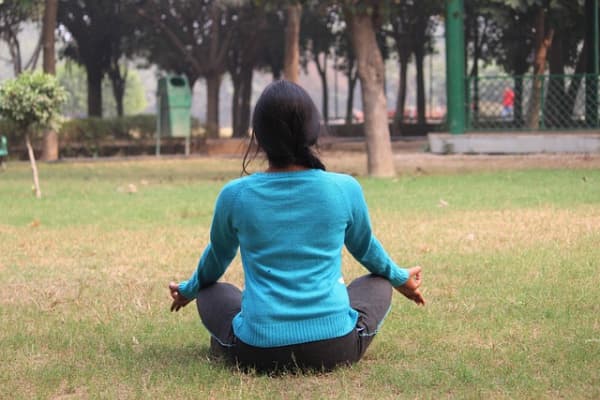
- Practice breath work, meditation, and/or gentle yoga. (I enjoy Insight Timer and Yoga with Adriene.)
- Strengthen community connections.
- Build resilience with recovery tools.
People, places, things
- Build or refine your social circles to include people that lift you up and women who are going through perimenopause with you.
- Reduce plastic and chemical exposure.
- Clean up cosmetics and cleaning products. (To help with this, I use the Yuka app.)
- Choose non-toxic cookware.
Supplements
Before starting a new supplement, it’s always a good idea to speak with your healthcare professional. That said, here are some supplements that may help with perimenopause symptoms:
- Probiotics (gut health)
- Protein (muscle and neurotransmitters)
- Creatine (strength and brain support)
- Magnesium (sleep and relaxation)
- Vitamin D (bones and immune system)
If you’d like to save 15% on mindbodygreen supplements, use this link.
How can you learn more?
If you’d like to know more about the medical science behind perimenopause and menopause and how the lifestyle changes suggested above can help, I highly recommend taking the mindbodygreen online Peri/menopause+ course.
Your turn
- If you’ve been through perimenopause/menopause, did you experience any or all of these symptoms? Which was the most surprising? Which was the most troublesome?
- Do you have advice for someone just going into perimenopause?
- What else is on your mind? Anything at all; I just love to hear from you.





Hi Christie – This was so helpful from a holistic viewpoint, but I think there also needs to be a mention of HRT for when all of these things aren’t shifting some of the more debilitating issues of menopause. I managed well until the hot flashes worsened and would hit day and night. Nothing helped (other than a fan and taking layers on and off constantly). A low dose of HRT has been a lifesaver, and I’ve heard similar stories from many women who had tried everything else with no success. We need to be proactive, but also to seek help from our doctor if we’re struggling.
You bring up a good point, Leanne. Hormone replacement therapy can be helpful for some women, especially near the end of perimenopause and into post-menopause when hormone levels are at their lowest. And I would encourage all women to discuss their symptoms and options…both natural and medicinal…with a trusted healthcare professional. There is absolutely no reason to suffer in silence. Our quality of life matters.
I wish all of these tips had been around when I was in perimenopause. But, to be honest, I don’t think I’d even heard of the term then. And, I don’t know that I would have thought to look for the answers as I just figured it went with the territory. Thank goodness for the new emphasis on perimenopause so that more women can go into it armed with information and ways to stay healthy and happy. Thanks, Christie!
https://marshainthemiddle.com/
Yes, Marsha, I couldn’t agree more. I am so happy to see this subject more publicized and women talking about their experiences. There are definitely a lot of things we can do…both natural and with hormone replacement…to improve our quality of life and also to help reduce the odds of some serious medical conditions that can arise as our hormones decrease.